
About VMCH
Our Board
Our Board
Meet the dedicated leaders guiding VMCH’s vision, driven by our values and commitment to supporting communities across Victoria.
VMCH Experience Charter
VMCH Experience Charter
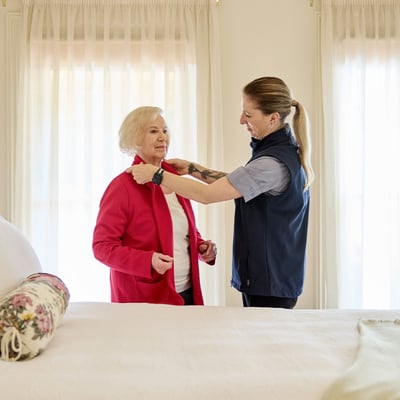
The VMCH Charter guides us to deliver the highest quality care and support to you, or your loved one.
Our Mission
Social Enterprises
Social Enterprises
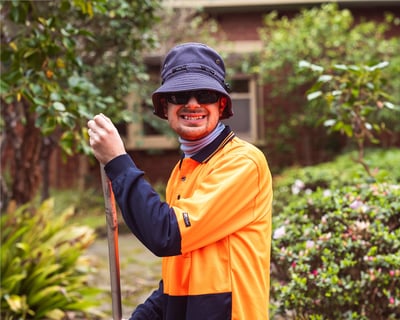
Social enterprises at VMCH support people with disability to start their careers with help from local businesses.
Pastoral Care
Pastoral Care
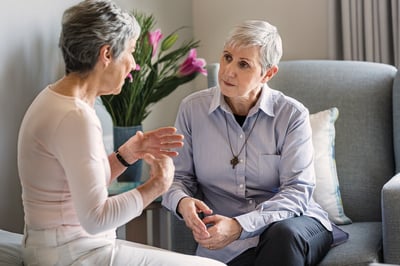
Pastoral care at VMCH offers personalised spiritual and emotional support. Our practitioners and volunteers provide comfort, companionship, and meaning at every life stage.
Affordable Homes
Affordable Homes
We believe our nation’s older generation deserve access to safe and secure housing; a place where you can live your life to its fullest.
Donate
VMCH Good Works
VMCH Good Works
Together, we are building stronger communities where everyone can belong, thrive and live life to the fullest.
Christmas appeal
Christmas appeal
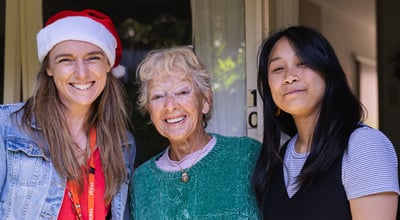
Help us share joy, kindness, and connection with people in need across our VMCH community this Christmas.
Philanthropy
Philanthropy
What sustains VMCH as an organisation is the engagement and contribution of our staff, our volunteers and our community supporters.
September 21, 2026
Residential Aged Care
Care at Home
Dianne Chenoweth spent her life caring for others. This Dementia Action Week, her story reminds us to look beyond a diagnosis.
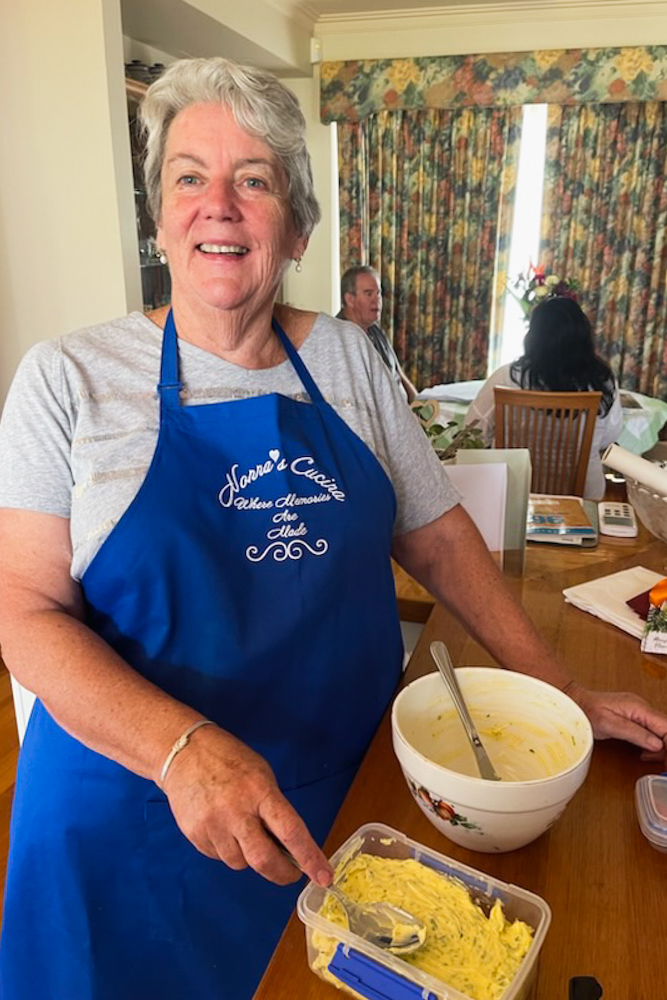
This Dementia Action Week (Sep 21-27), VMCH is encouraging people to look beyond a dementia diagnosis and recognise the person behind it.
Almost half a million Australians are living with dementia and more than 1.7 million people are involved in their care. Yet many people still find it difficult to talk openly about dementia and the impact it can have on individuals and families.
In line with this year's theme, It's time to talk about dementia, we are sharing the story of Dianne Chenoweth, whose experience highlights the importance of understanding a person's life, identity and experiences when providing dementia care.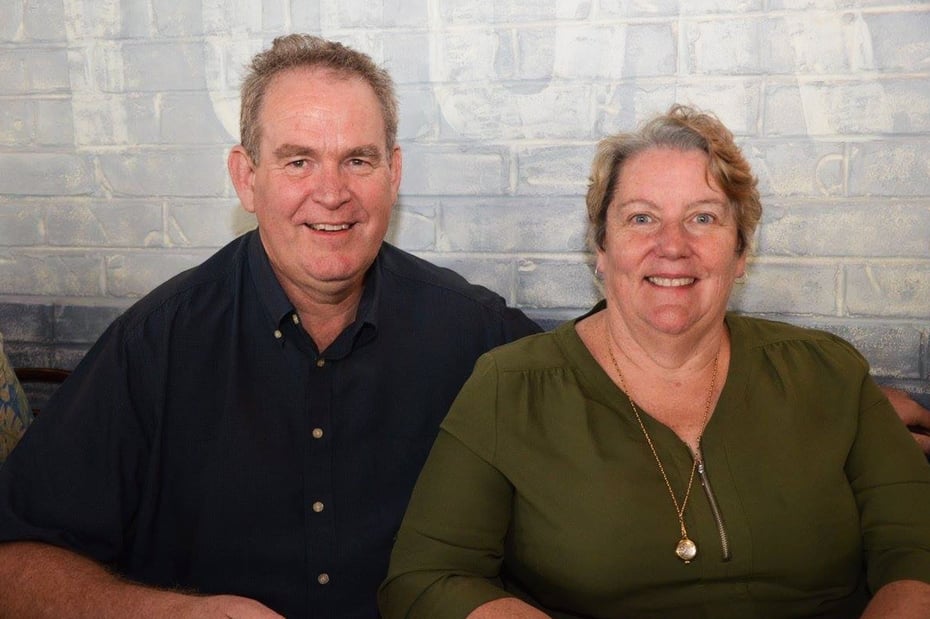
Dianne and John Chenoweth
Before she begun experiencing symptoms of dementia, Dianne was known for her intelligence, compassion and dedication to caring for others.
Her career spanned multiple areas of nursing, including paediatrics, emergency care and neuroscience. She later worked with people living with dementia, long before she would face the condition herself.
"There wasn't much Dianne didn't know about the medical industry," her husband, John Chenoweth, says. "She was always incredibly observant and emotionally intelligent."
John and Dianne met through Rotaract after he picked her up for her first meeting. While their connection was not immediate, the pair eventually fell in love, married in 1987 and raised two daughters, Katherine and Claire.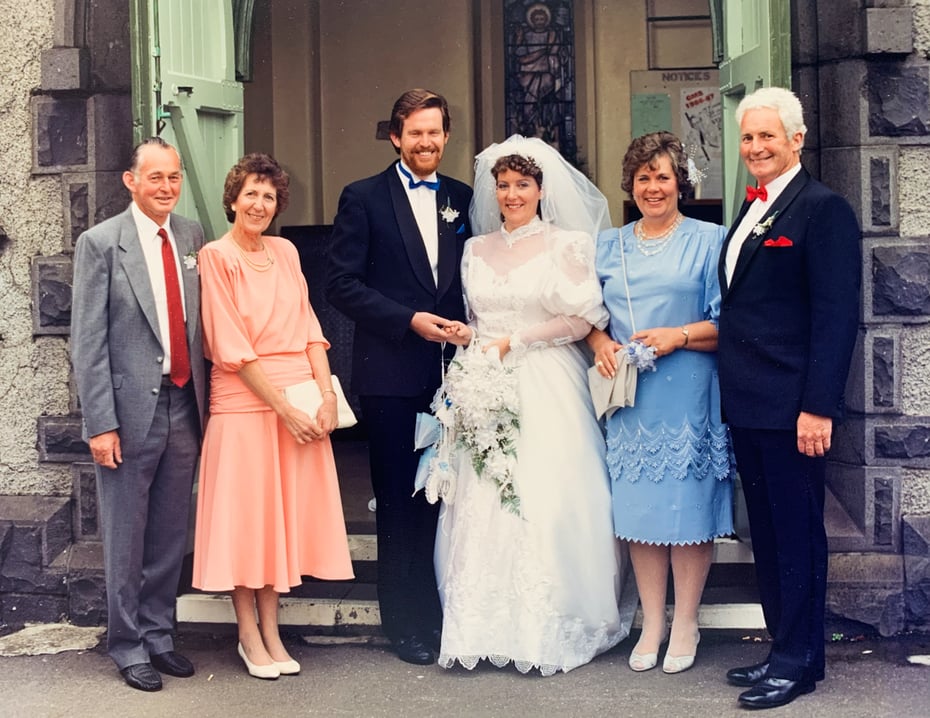 Dianne and John pose with family on their wedding day in 1987
It was around 2015 that John first noticed changes in Dianne. One of the most significant was her increasing difficulty planning and organising tasks. Despite concerns from family and consultations with multiple specialists, her symptoms were initially attributed to depression and anxiety.
It would take almost seven years before Dianne was formally diagnosed with dementia in late 2022.
John cared for Dianne at home from 2015 until November 2024. In those final two years, NDIS-funded support played a vital role in helping her remain at home. As her needs increased, Dianne moved into residential aged care in November 2024, an experience John describes as challenging. A place later became available at VMCH's Specialist Dementia Care Program and, in April 2026, Dianne moved into the purpose-built Lady Lourdes House.
When Dianne arrived, staff could see she was experiencing significant distress. Rather than focusing solely on symptoms, the team took time to understand who Dianne was as a person. They learned about her nursing background, her love of music and the routines that helped her feel safe and comfortable.
"Dianne would come and sit with me in my office," says Binod Wosti, Unit Coordinator at Lady Lourdes House. "I would leave my door open, show her the computer screen or handover sheets and she would sit there and go through them with me, see if she could figure something out from her nursing background.
"Once she got to know people and the space she felt more secure and comfortable, and those visits to my office slowly reduced."


As staff got to know Dianne better, they also gained a deeper understanding of the reasons behind some of the behaviours she was exhibiting.
"We figured out that a lot of her behaviours were directly related to a skin condition," Binod says. "Now the first thing we do is check on her skin, and since we resolved that, the behaviours resolved as well."
For Binod, Dianne's story demonstrates why personalised dementia care begins with understanding the individual.
"Dementia does not mean the loss of identity or individuality. There is still a person there, with dignity. Our role is to support, validate and help them feel safe," Binod says.
For John, the difference has been life changing. Since moving to VMCH, he describes the care Dianne receives as "transformational".
"I can see that the staff here have the same attributes as Dianne," he says. "They look deeper into why she might be in pain, they slow down communication and give her time to adapt."
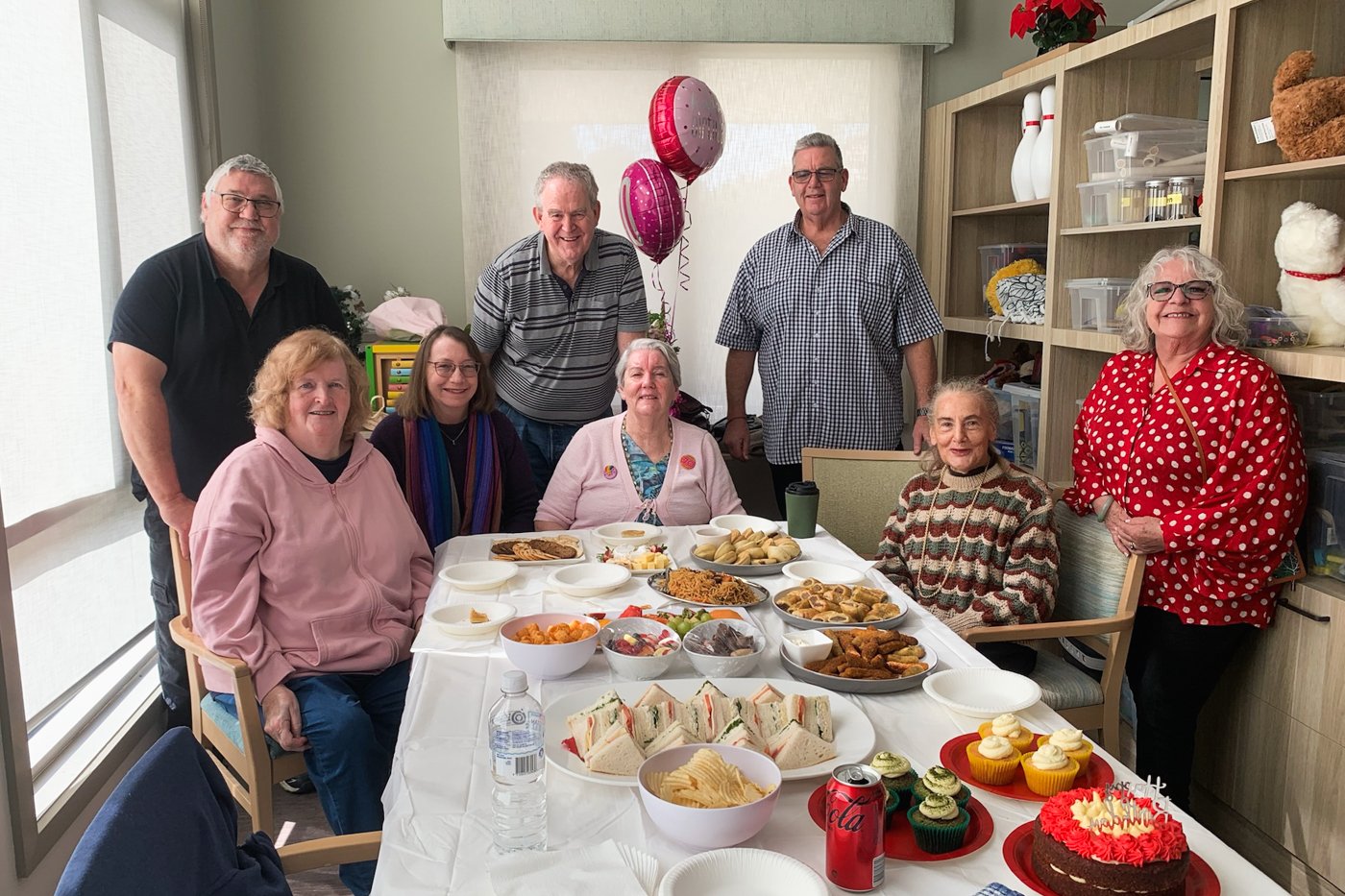 Dianne celebrating her 70th birthday with family and friends at Lady Lourdes House
Research shows the average time between the onset of symptoms and a dementia diagnosis is around three years, reinforcing the importance of recognising early signs and having open conversations when concerns arise.
As Dementia Action Week encourages Australians to talk more openly about dementia, Dianne's story serves as a reminder that a diagnosis does not define a person.
Behind every diagnosis is an individual with a lifetime of experiences, relationships and achievements that continue to shape who they are.
For more information on St Bernadette's Aged Care Residence and Lady Lourdes House, click here.